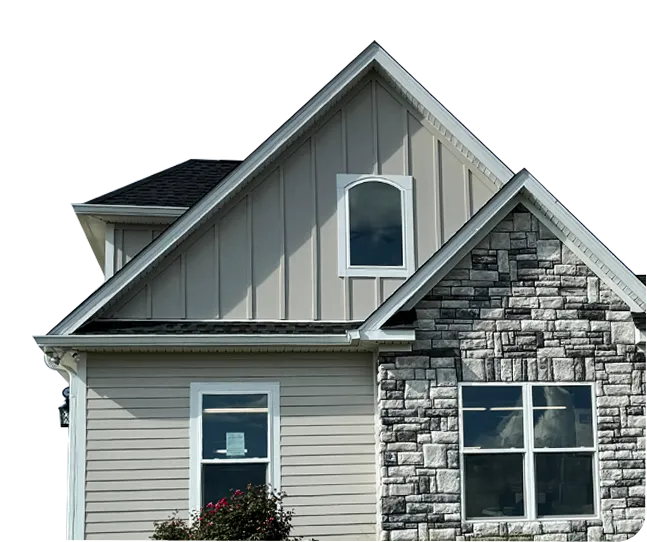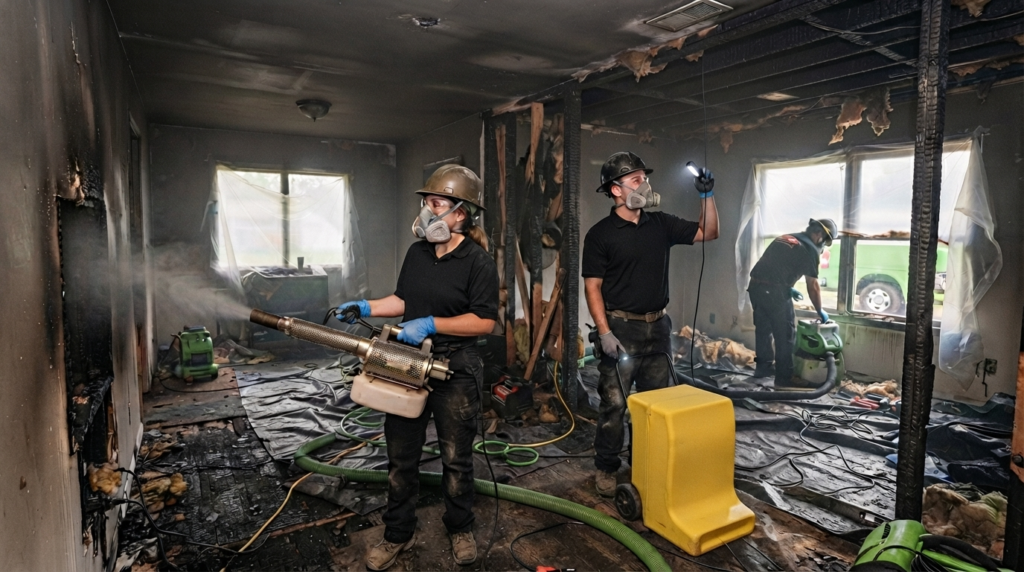
A house fire changes everything in minutes, but the damage does not stop once the flames are out. Fire damage restoration Maury County homeowners search for is not just about cleanup. It is about addressing hidden smoke residue, weakened framing, and moisture left behind by firefighting efforts before these issues turn into bigger, costlier problems. Whether you own a home in Columbia, Spring Hill, or Mt. Pleasant, understanding these post-fire risks helps you make faster, smarter decisions.
Smoke and soot travel far beyond the room where a fire started. Acidic residue settles into drywall, HVAC systems, and wood framing within hours, and according to the National Fire Protection Association, even small residential fires can compromise indoor air quality and structural materials quickly. Property owners who delay professional assessment often face higher repair costs later.
Why Fire Damage Is More Than What You See
Most homeowners focus on charred walls or melted fixtures, but the real threat often hides beneath the surface. Fire damage restoration Maury County professionals routinely find:
- Smoke particles embedded in insulation, ductwork, and wall cavities
- Structural weakening in beams, joists, and support walls exposed to extreme heat
- Water damage from firefighting hoses that leads to mold within 24 to 48 hours
- Corroded metal fixtures, wiring, and appliances from smoke acidity
- Persistent odors trapped in fabric, carpet, and porous surfaces
Each of these issues can worsen daily if left untreated, which is why timing matters as much as technique.

Understanding Smoke Damage Types
Not all smoke damage behaves the same way, and treating it incorrectly can push soot deeper into surfaces instead of removing it. Restoration technicians classify smoke residue based on how the fire burned and what materials were involved.
| Smoke Type | Common Cause | Residue Characteristics | Cleaning Approach |
| Wet Smoke | Slow-burning, low-heat fires involving plastic or rubber | Sticky, smeary, strong odor | Requires solvent-based cleaning agents |
| Dry Smoke | Fast-burning, high-heat fires involving wood or paper | Dry, powdery, easier to smear if wiped wrong | Requires dry sponge techniques first |
| Protein Smoke | Kitchen fires with minimal visible residue | Nearly invisible but strong odor | Requires deep cleaning and odor sealing |
| Fuel Oil Soot | Furnace puff-backs | Thick, oily film | Requires specialized degreasing treatment |
Misidentifying smoke type is one of the most common mistakes in DIY cleanup attempts, and it usually results in permanent staining or lingering odor.
Structural Risks Homeowners Often Underestimate
Heat does not just burn surfaces; it changes the integrity of building materials. Wood framing can lose strength even without visible charring, and steel connectors can weaken under sustained high temperatures. A licensed 24/7 emergency restoration team inspects these hidden risks before any cosmetic repairs begin.
Key structural concerns include:
- Compromised load-bearing walls after prolonged heat exposure
- Warped or delaminated flooring from water and heat combined
- Cracked foundations in severe residential or commercial fires
- Electrical system damage that creates future fire hazards
- Roof structure weakening from fire suppression efforts
Ignoring these risks can lead to unsafe living conditions long after the visible damage appears resolved.
DIY Cleanup vs Professional Fire Damage Restoration
Many homeowners attempt to handle minor fire damage themselves, but the difference in outcomes is significant. Understanding this comparison helps property owners make an informed decision before starting cleanup.
| Factor | DIY Cleanup | Professional Restoration |
| Equipment | Household fans and towels | Industrial dehumidifiers and moisture meters |
| Hidden moisture | Rarely detected | Located with thermal imaging and probes |
| Mold prevention | Limited protection | Structural drying within the 24-to-48-hour window |
| Insurance documentation | Often incomplete | Detailed reports for smoother claims |
| Time to dry | Days to weeks | Typically 3 to 5 days with proper equipment |
| Long-term risk | Higher chance of mold and rot | Significantly reduced with verified drying |
According to the U.S. Fire Administration, improper post-fire cleanup is a common reason homeowners face repeat contamination or extended air quality issues. Professional fire damage restoration Maury County teams follow structured protocols that reduce these risks significantly.
Health Risks From Smoke Exposure
Smoke residue is not just a cosmetic problem; it carries real health consequences. Exposure to fire smoke can trigger respiratory irritation, headaches, and worsened symptoms for individuals with asthma or heart conditions, a pattern documented in health guidance on smoke exposure from the Centers for Disease Control & Prevention. This is one of the biggest reasons homeowners should avoid prolonged exposure to unremediated fire damage.
Common health concerns after a house fire include:
- Eye and throat irritation from lingering particulates
- Breathing difficulty for occupants with existing conditions
- Skin irritation from direct soot contact
- Long-term air quality issues if HVAC systems are not cleaned
Mold Growth After Firefighting Water Damage
Fire suppression efforts often introduce large volumes of water into a structure, and moisture left untreated becomes a breeding ground for mold within days. The Environmental Protection Agency notes that mold can begin developing in as little as 24 to 48 hours after water exposure, which makes fast structural drying & mitigation a critical part of fire recovery, not an optional add-on.
What the Fire Damage Restoration Process Looks Like
A structured restoration process protects both the property and the homeowner’s insurance claim. Most projects follow a similar sequence.
- Emergency assessment and safety inspection of the property
- Boarding up, tarping, or securing the structure against weather
- Removal of soot, ash, and contaminated materials
- Deep cleaning of walls, floors, ceilings, and HVAC systems
- Structural drying to prevent secondary mold growth
- Odor treatment using thermal fogging or ozone-based methods
- Reconstruction and repair of damaged framing, drywall, or flooring
Fire damage restoration Maury County providers who follow this sequence, including reference to the ANSI IICRC S700 Standard for fire and smoke damage restoration, tend to deliver more consistent, insurance-friendly results.
A Note for Commercial Property Owners
Business owners face additional pressure after a fire, since every closed day means lost revenue and disrupted operations. Fire damage restoration Maury County commercial projects often require coordinated scheduling around inventory, equipment, and tenant needs. A clear communication plan with your restoration provider, along with detailed documentation for insurance and business interruption claims, helps limit downtime and gets your property back to operational condition faster.
Why Property Owners Across Maury County Choose AMC Restoration
AMC Restoration operates from Columbia, giving the team direct familiarity with homes and commercial properties throughout Maury County, including Mt. Pleasant. The company provides fire & smoke damage restoration alongside reconstruction services so property owners are not left coordinating multiple contractors during an already stressful situation.
Homeowners and business owners across the region can learn more about the company and its restoration approach or reach out directly through the contact page to schedule an inspection.
Frequently Asked Questions
Q: What is fire damage restoration in Maury County and what does it include?
A: Fire damage restoration in Maury County involves inspecting the structure, removing soot and smoke residue, drying affected areas, treating lingering odors, and repairing walls, flooring, or systems damaged by flames, heat, or the water used to fight the fire.
Q: How does smoke damage differ from soot damage after a house fire?
A: Smoke damage refers to airborne residue and odor that spreads through a home, while soot damage is the thick, sticky black particles left on surfaces. Both need different cleaning methods, and untreated soot can permanently stain materials.
Q: Why should I call a professional restoration company right after a fire?
A: Calling a professional quickly after a fire limits secondary damage from soot acids, moisture, and smoke odor that worsens daily. Fast action also protects your insurance claim by documenting damage accurately before conditions change further.
Q: How long does fire damage restoration in Maury County typically take?
A: Fire damage restoration timelines in Maury County vary by severity, but minor damage may take a few days while major structural fires can take several weeks. Inspection results, drying time, and repair scope all affect the total schedule.
Q: What should I expect during the first fire damage inspection visit?
A: During the first inspection, a technician assesses smoke penetration, structural safety, water damage from firefighting efforts, and air quality. You should expect photos, moisture readings, and a written plan outlining the recommended restoration steps.
Q: Do you handle both smoke odor removal and structural repairs?
A: Yes, fire damage restoration services in Maury County typically include smoke odor removal, soot cleaning, and structural repairs like drywall, flooring, and framing work, since fire recovery usually requires addressing both issues together.
Q: Can I stay at home during fire damage restoration?
A: Whether you can stay home depends on smoke penetration, structural safety, and air quality. Minor kitchen fires may allow you to remain, while significant structural or smoke damage usually requires temporary relocation until restoration is complete.
Q: How do I choose the right fire damage restoration company in Maury County?
A: Choose a fire damage restoration Maury County company based on response time, experience with local homes, clear communication, and proper licensing. Ask about their inspection process and how they document damage for insurance purposes.
Final Thoughts
Fire damage restoration Maury County property owners rely on involves far more than surface-level cleanup. Smoke penetrates deep into materials, structural elements weaken under heat, and moisture left behind creates a second wave of damage if it is not addressed quickly. Acting fast, understanding the type of damage involved, and working with a team that follows recognized restoration standards protects both your property and your family’s health.
If your home or business in Maury County has experienced fire damage, do not wait for small issues to become expensive repairs. Call AMC Restoration now at 931-416-5131 for a 24/7 response.